


Lab Processing Times
Sleep apnea is more common than you might imagine. According to SleepDisordersGuide.com, it may affect up to 1 in 15 Americans. That adds up to millions of people who struggle to get a good night’s sleep and often suffer negative health consequences as a result. According to SleepApnea.org, sleep apnea may contribute to: high blood pressure, heart disease, stroke, diabetes, depression, and more.
If you have sleep apnea, your first visit is likely to be to your family physician who might prescribe a CPAP Assistance Program. The CPAP can be very helpful, but it isn’t right for everyone. Some people just can’t get used to the mask or the flow of air through the machine. In this case, your dentist may be the sleep apnea solution you are looking for.

 Most of us wouldn’t be surprised that, according to the famous Holmes-Rahe Stress Inventory, some of the top stressors in life include death of the a spouse, divorce, and a major personal injury or illness. What might surprise you is that the list also includes what we generally consider to be positive events, e.g. marriage (number 7 on the list), retiring (number 10), and starting a new job (number 18).
Life change causes stress, and the “daily grind” can have you doing just that: grinding your teeth frequently, unconsciously, and painfully. It’s called Bruxism – and it can lead to headaches, neck pain, jaw pain, and damaged,…
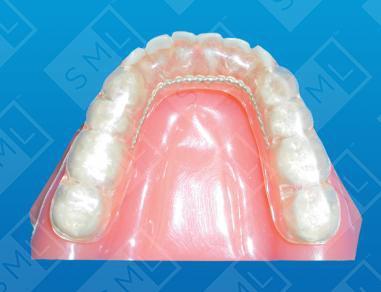 We’ve come a long way since dentistry relied almost entirely on metal in the construction of appliances for shaping, moving, and protect ing your teeth. Today, one of the most common materials in a dentist’s office is acrylic -- a highly durable form of plastic. You can find acrylic in a lot of surprising places:
Saving Lives & Growing Your Practice Through Dental Sleep Medicine
SML® Your Practice-Building Partner800-423-3270 www.SMLglobal.com
 Everyone suffers from headaches from time to time, but up to 12% of Americans experience migraines on a regular basis. Migraines are like headaches on steroids. They can cause blinding pain, nausea, and significant debilitation until they pass. In all likelihood, many different factors play a role. One of those factors, surprisingly, may be your teeth.
The temporomandibular joint (TMJ) is the hard-working joint that allows your jaw to open and close – for chewing, biting, eating and speaking. Misaligned teeth or a nighttime grinding habit can put harmful pressure on your TMJ, which can, over time lead to temporomandibular dysfunction…
Not every patient comes to your office with dental health insurance. Often these non-insured patients present the most severe dental issues (as many are unlikely to make an appointment until 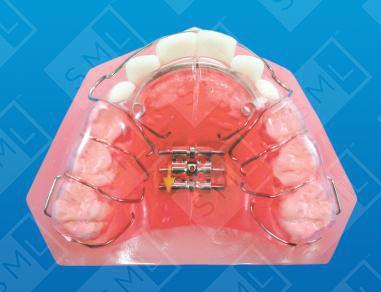 something goes wrong) and are the least able to pay for pricey procedures and appliances. As a dentist, you want to help all of your patients, so is there a way that you can offer them low cost appliances if they need something like a space maintainer, Schwarz appliance, incline plane or something else?
The best way to offer your patients low cost appliances is to work with a well-established and local dental laboratory. A dental laboratory…
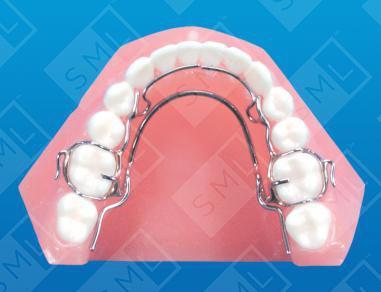 We don’t think about it much, but it is pretty amazing how each side of the body is an almost perfect mirror image of the other. Only when something goes wrong, like a cleft palette, do we realize how important facial symmetry really is. A surprising number of people develop a condition called “mandibular hypertrophy,” which is when one side of the jaw overdevelops during a growth spurt.
Mandibular hypertrophy creates a visual asymmetry in the jaw, which can vary in severity. While this alone is enough to make any growing teen self-conscious, the condition can also create health complications. It may impair chewing, place…
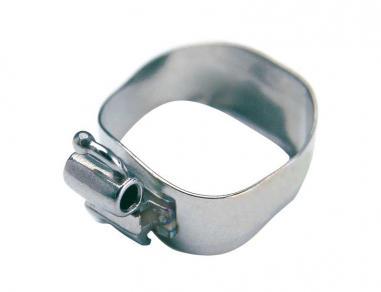 Orthodontics has come a long way in the past 30 years. Back then, it was common for orthodontists to place a band on every tooth in the mouth when attaching braces. Recently, however, more effective bonding materials have allowed doctors to place brackets on teeth without the need for bands. The exception is molars. Even today, many orthodontists prefer to place molar bands on a patient. Why is this?
The molars are a very active part of the mouth – it’s where you do almost all of your chewing. This can put a lot of stress on brackets. Molar bands can increase the stability of the bracket so they are less likely to break off. They also give orthodontists an area to attach additional…
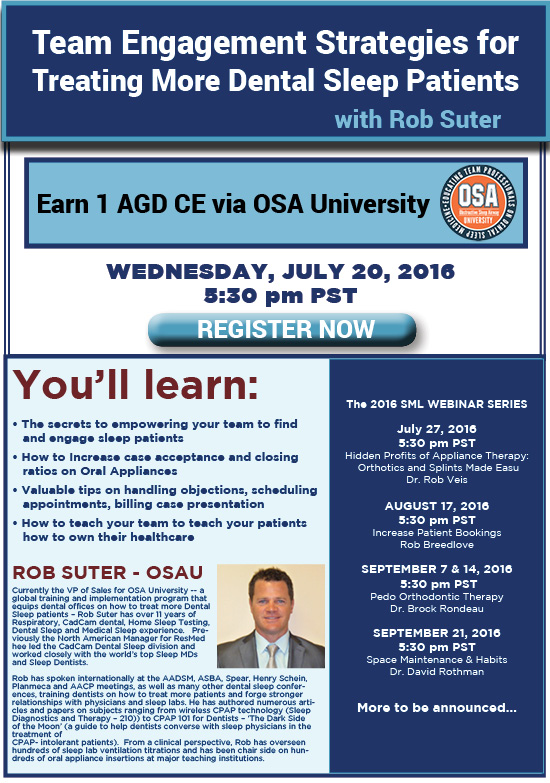
Team Engagement Strategies for Treating More Dental Sleep Patients
The secrets to empowering your team to find and engage sleep patients.
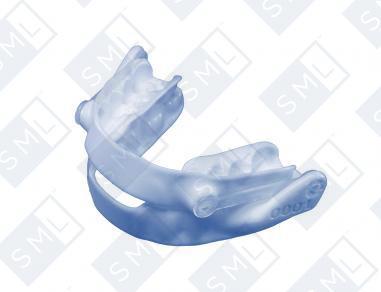 Sleep is a precious commodity, and most Americans already aren’t getting the seven to eight hours of sleep a night that most health professionals recommend. Chronic lack of sleep can lead to mental and physical fatigue, poor memory retention, high blood pressure, and even increased anxiety or depression…and if your spouse’s snoring is impeding your sleep, he or she could be putting your health at risk!
Heavy, loud snoring is not natural. It indicates that your spouse is having trouble breathing throughout the night and may have a condition called sleep apnea. It means that not only are you not getting a good night’s sleep, but your spouse isn’t getting any either.
Don’t just accept a…