

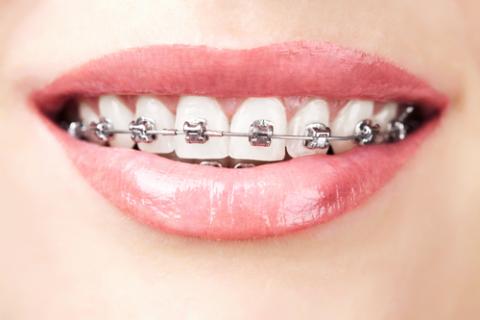
 Whether you’re an adult or a child, steady pressure applied to your teeth can slowly move and shift them. That’s how braces and retainers realign teeth and that’s how bad habits can shift them into mis-alignment. Adults with lifelong tongue thrusting habits or those who like to compulsively chew on pencils (or the like) may notice their teeth becoming crooked over time.
It’s usually a slow process and sometimes hard to notice. To realign your teeth, the first step is to stop whatever habit is causing the shift. Since many habits are unconscious, you may need to pay close attention to possible causes. The reality is, you’ll likely need the assistance of an orthodontist to…

 cutting and a restricted metal-smile lifestyle for years. They couldn’t eat hard foods (like carrots) for fear of breaking brackets, and brushing and flossing took forever!
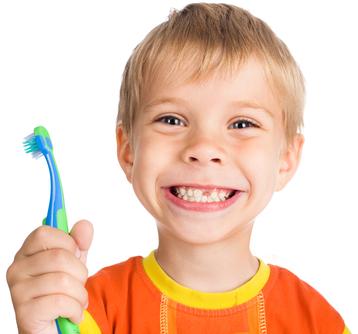 It’s always exciting when your child’s first tooth falls out. They get to tuck it under their pillow…and (hopefully) the tooth fairy visits in the dead of night. Typically, as adult teeth begin to erupt, they absorb the root of the baby tooth. This causes the tooth to become loose and eventually fall out. Problems may occur when the permanent teeth do not absorb the root of the baby teeth.
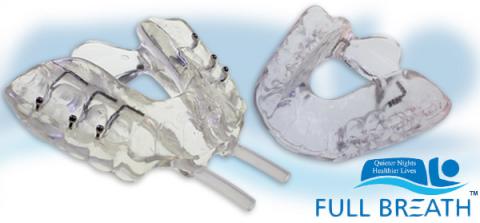
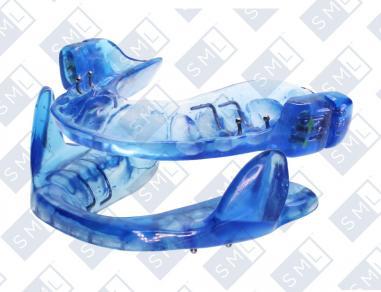 The Growing Role of the Dentist in Sleep Disorders Medicine: Integrating the Dentist into the Medical Treatment Team
 As rewarding as it can be to successfully treat children for dental and orthodontic issues, said children aren’t always the most cooperative patients -- especially when it comes to continue proper use of their oral appliances. Retainers get lost, neglected, broken, or simply not worn.
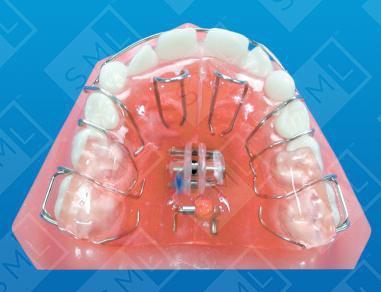 What Leads to an Open Bite Tendency?
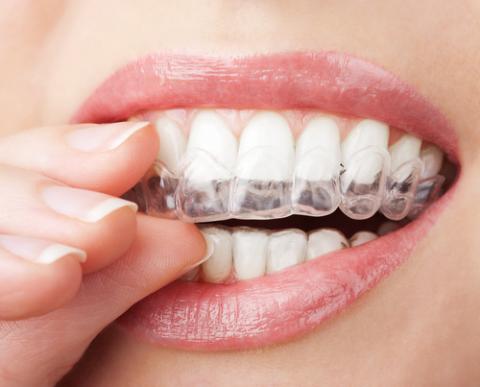
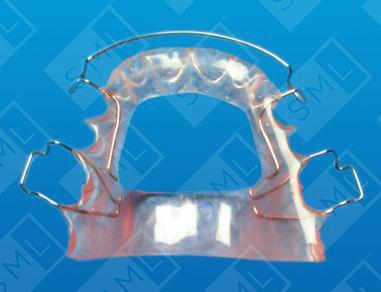 When the braces finally come off, your orthodontist will fit your child for a retainer -- a removable device that helps the teeth maintain their final straightened position. It is important for parents to teach their children to take responsibility for their retainers, and that includes cleaning them of bacteria and other unpleasant gunk.
 A FREE WEBINAR featuring one of the worlds leading authorities on the integration of appliance therapy into dental practice for profit and growth… Dr. Rob Veis
 Join us for this first in a series of enlightening, empowering FREE Webinarpresentations for the upcoming year.
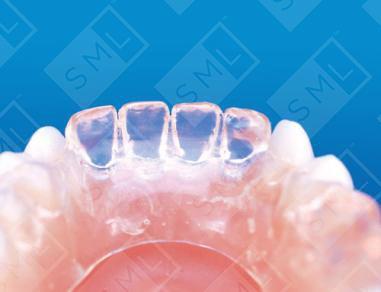 Oral surgeons recognize that stents can be used in a variety of ways to help them successfully treat their patients. Stents are often considered a CT appliance, because they can be used in conjunction with a CAT scan during a surgical procedure to help a surgeon properly place an implant.