


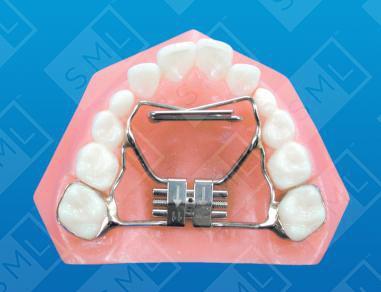
 All orthodontists have experienced the frustration of taking a young patient through treatment, developing a beautiful, straight smile…and then having the aligned teeth become mis-aligned due to tongue thrusting issues.
Extremely common in young children, tongue thrusting is, in fact, the reason so many kids end up at your office in the first place. As an orthodontist, you’ll want to search for indicators of tongue thrusting in all patients before starting treatment. Early detection makes alternative or combined treatment possible…and can significantly mitigate straight-smile frustration.
The two most popular forms of tongue thrusting treatment are…

 Back in the day, the Upper Jackson Appliance was one of the very first removal expansion appliances on the market. For many years it was highly popular and provided consistent results for patients.
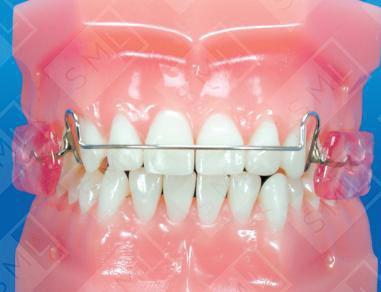 thumbs. Others chew on their lips or even pull out eyebrow hairs. If your child bites her cheeks, you may wonder how to help her.
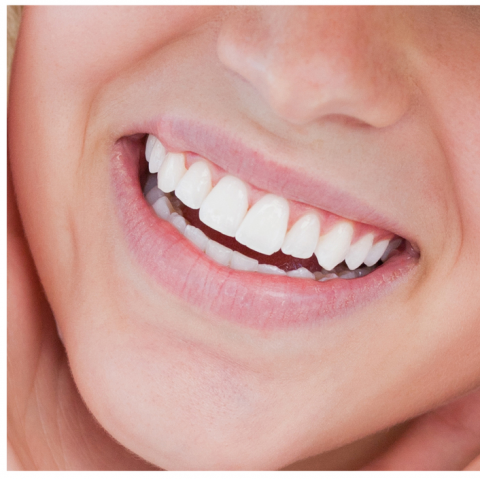
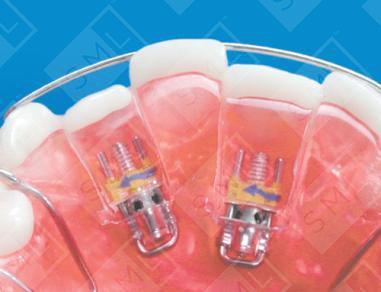 If your teeth are generally crooked, chances are that your dentist is going to refer you to an orthodontist, but what happens if only one or two teeth are out of alignment? For smaller jobs, your dentist may recommend using a retainer. If a few teeth need to move back, the metal bar on the retainer can apply consistent pressure on the teeth to bring them back in line. If you have one or two teeth that need to move forward, a mini-screw appliance is a better option. This type of appliance looks similar to a typical retainer, but mini-screws in back of the device press behind individual teeth to slowly push them forward.
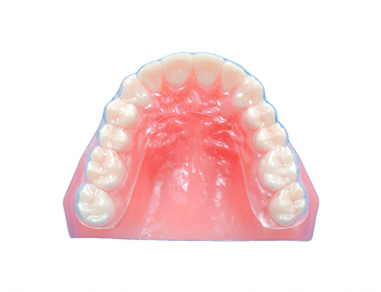 Ready to do something about your crooked teeth? Your orthodontist is the one to see. Today, you have more braces options than ever, including traditional metal braces, less visible clear braces, and even Invisalign trays. If you’ve never had braces before, you might assume that once the braces come off, your teeth will be permanently straight forever.
 Attention Dentists: your patients’ privacy is important. You need to ensure that you keep their records and information safe, both at your office and whenever you transfer information. This is true when you send patient files, x-rays, and diagnostic notes to your preferred dental lab.
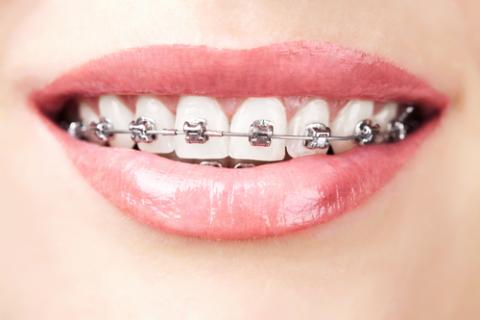 Sure, these days most children with crooked teeth are quickly put into braces, but that wasn’t always the case. If you’re an adult with crooked teeth considering dental treatment braces, don’t let your fears or feelings get in the way. You are far from alone!
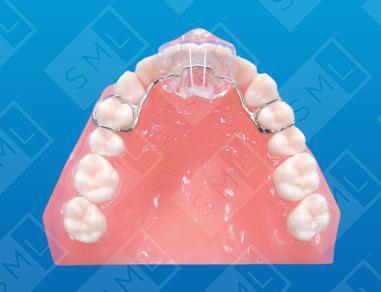 When a patient complains of jaw pain, headaches, tooth pain or stiff jaw, one potential cause is bruxism -- more commonly known as teeth grinding. Since many patients grind their teeth unconsciously in their sleep, it behooves the dentist to carefully monitor the condition of a patient’s teeth, supporting tissues, TM joints, and mastication muscles to determine whether bruxism is the reason for your patient’s complaints.
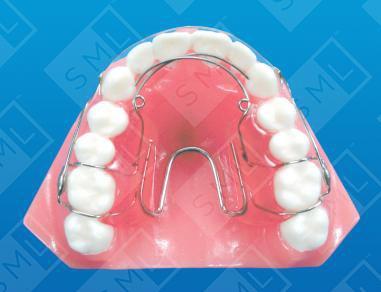
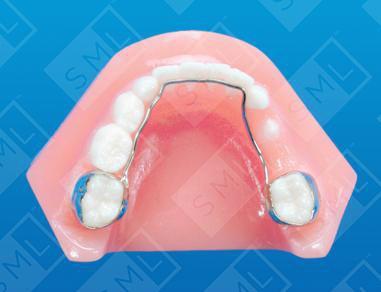 If you need to maintain a patient’s arch length, consider the effective and simple Lingual Arch U/L, one of our most popular arch length appliances. The Lingual Arch is a simple retainer that does a fantastic job of preventing mesial and lingual tipping of the molars while maintaining arch length for your patient.