

Cart


Blog
Image
BlogBanner_02_0.jpeg

Blog

Mini-screw ApplianceWhen patients need orthodontic care to shift teeth, they often require regular visits to your office for adjustments. This might not be feasible for rural patients or patients who travel extensively.

What are your options in these tricky situations?

In cases where you simply need to move a few teeth labially, consider choosing a mini-screw appliance. This appliance is a good alternative to a recurved finger spring or a micro-screw. One of its biggest benefits is the patient can adjust the screw to maintain the treatment even if he or she cannot make it into your office as much as you would like.

Talk with your patients about this option…
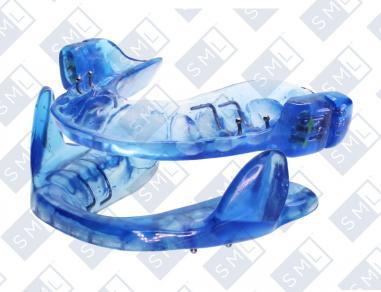
Adjustable Dorsal Dental ApplianceAccording to the National Sleep Foundation, sleep apnea affects as many as 18 million Americans. Left untreated, it can lead to a multitude of health problems, including cardiovascular disease, memory loss, severe headaches, weight gain, and more. In many cases, sleep apnea results from a blocking or collapse of the individual’s airway during sleep. This, in turn, causes the sleeper to awaken dozens or even hundreds of times during the night.


Dentists can help their patients effectively manage sleep apnea by selecting from an array of mandibular advancement appliances which push the lower jaw forward, keeping the airway open during sleep.

Any of the SML (Space…

blog series

Splints are generally classified according to their intended function. The two most common types of splints are the disengaging occlusal correcting splints and the mandibular or anterior repositioning splints.

Disengaging splints eliminate chronic and acute malocclusion and induce relaxation of the masticatory muscles. This is accomplished by introducing an optimum occlusal position, thus allowing a reorganization of the neuromuscular reflex activity and a deprogramming of the musculature.

Mandibular repositioning splints are used to prevent the disc-condyle complexes from returning to the fully occluded position…or to set the condyles in a more favorable condyle disc relationship in the fossa so that normal function can be established.

These splints are…

Dental Sleep Medicine: The Advanced Course 8 CE Credits

Medicine Course