
Cart


Lab Processing Times

Blog Series

TO RECAP FROM THE LAST POST, incorporating the New Airway Imperative into your practice plan begins with asking the question: “Am I providing my patients – ALL my patients – with the best opportunity for continued and optimum airway health.”

Once educated in the essentials of sleep and airway, the actual patient process involves the assessment and incorporation of the following into your standard operational practices:

1) Screening 

2) Making the Diagnosis 

3) Discussion of Treatment Options and Team Coordination

4) Completing a Thorough Exam

5) Appliance Selection and Delivery

6) Follow up

Screening

When we think of the typical person who struggles from sleep apnea, the picture most of us conjure up is of…


   Read More 

Blog Series

WeightA physical screening exam shouldn’t take more than five minutes and begins the moment your patient walks in the door from the waiting room towards the operatory. Here are a few key factors to look for:What do you observe as they are walking in? For example, is their head tilted back with their mouth open? This posture is often observed in someone who cannot nasal breathe.

…

   Read More 

Blog Series

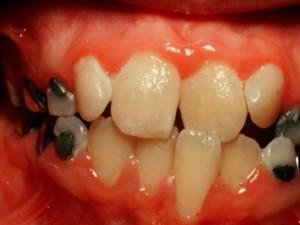
bad teethNow, as part of the Physical Screening Process, let’s have them open wide!
Are their oral tissues inflamed? Do they have bad breath? High incidence of caries? All may indicate mouth breathing and an obstructed airway.

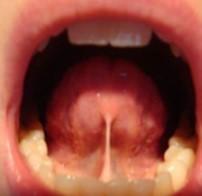
bad mouthDoes the patient have an underdeveloped high vaulted palate? Since the roof of the…
   Read More 

image

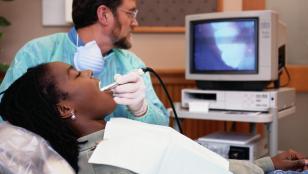
For the majority of us, going to the dentist means enduring some scraping, deep cleaning, flossing, and the occasional X-ray. Once in a while, we might have a cavity filled or a crown placed. Most of the general public doesn’t realize that dentists can do so much more!

Many might never think to ask their dentist for help with TMJ or jaw pain, sleep apnea, or their child’s thumb-sucking habit. The truth is, dentists can help in all of these situations by fitting the patient with specialized appliances. Dentists can also use appliances to maintain space between teeth, close space, or correct tooth movement.

Dentists don’t just clean teeth. Every dentist is a specialist. Make sure your patients know that you are a dental specialist – one who can diagnose,…

   Read More 

Pedriatic Dentist

Pediatric space management is often the key to preventing a serious malocclusion in the permanent dentition. The early loss of primary teeth can result in a reduction of arch length directly affecting the later eruption of the adult teeth. If the permanent teeth are not going to erupt within six months of primary tooth loss, appliance therapy is indicated.

The early loss of a tooth is usually due to dental caries or trauma and if space loss has not already occurred, rapid intervention with a space maintaining appliance is of utmost importance. If space loss has already occurred, a space regaining approach should be considered.  Our clinical case exemplifies the premature loss of anterior teeth due to “Baby Bottle Syndrome.”

On the day…

   Read More 

So Much to Learn! So Little Time!SML Can Help! We provide and/or sponsor a wide variety of courses on a multitude of topics. Click on the topics below to learn more.Dental Sleep Medicine: The Advanced CourseCE creditsAAPMD - Airway Summit 2019AAPMDLamberg Seminars - Pathway to ExcellenceLamberg SeminarSEC - Sleep Education Consortium…

   Read More