



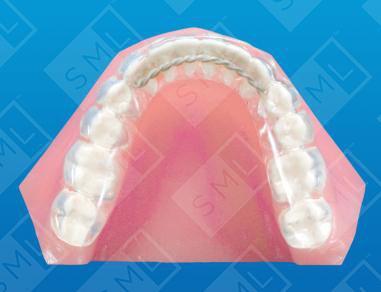
 Are You Asking Your Patients the Right Questions Regarding Bruxism?
According to the American Sleep Association, as many as 10% of adults and as many as 15% of kids suffer from bruxism -- commonly known as teeth grinding. Many grind their teeth in their sleep and have no idea that they are doing it. They do, however, notice the symptoms: sore jaw, tight neck muscles, sensitive teeth, neck pain, and even headaches and migraines.
What’s more, many also suffer from sleep apnea. Most of your bruxism patients do not associate their painful symptoms with bruxism…and since your patients won’t necessarily ask you about their symptoms, you may need to be a bit of a detective. Look for additional evidence of a problem beyond worn down molars or shifting…
 Education is the solution to being very successful in your dental practice and the following home study program will help you understand the best ways to use and adjust the dental appliances.
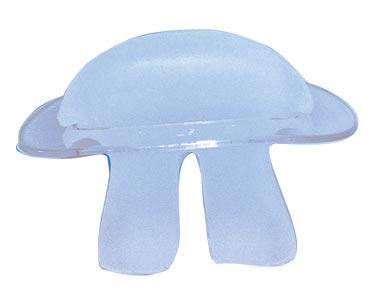 In the book Two in a Bed: The Social System of Couple Bed Sharing, author Paul C. Rosenblatt found that couples described sharing a bed as extremely important to their relationship. It makes sense for reasons besides just the obvious. For many busy couples, the time in bed before falling asleep is when they check in with each other, catch up, discuss issues, and make important decisions.
 If you have patients who play contact sports like hockey and football or who grind their teeth, you have likely recommended that they use a customized mouth guard. These great and simple devices can protect the teeth from a crushing tackle or from getting worn down by unconscious grinding, but they may actually present a danger if they aren’t cleaned regularly.
 You may have clients who come to you with concerns that their teeth are still moving even though they had braces as a kid. This is not an uncommon occurrence for adults in their late twenties. Several different factors can cause the teeth to move even after they’ve been corrected in the past, including:• The emergence of wisdom teeth• Genetics• Changes in bite• Changes in how the tongue rests against the teeth• Bad teeth habits, like chewing on pensIn some cases, if the movement of teeth causes unwanted spaces, crowding, an overbite, or pain for the client, it might be best to recommend a second course of space correction. This may mean adult braces, Invisalign, cosmetic…