



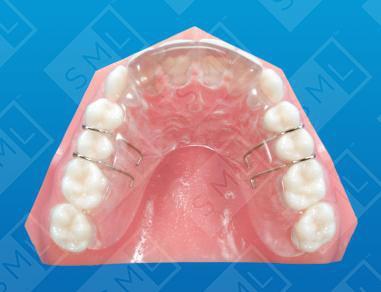
 According to the National Sleep Foundation, as many as 8% of adults grind their teeth at night and over a third of parents report that their children exhibit symptoms of teeth grinding (bruxism). Teeth grinding isn’t just a bad habit. It can wear down enamel, cause cracks, or even loosen and destroy teeth. It also often causes jaw pain, tight jaw muscles, and headaches.
And there’s still a lot we don’t know about the causes of bruxism. Some cases may result from malocclusion, but new research suggests that many can be traced back to stress, anxiety, and even sleep apnea and fatigue.
As a dentists or orthodontist, you aren’t in a position to help your patients…
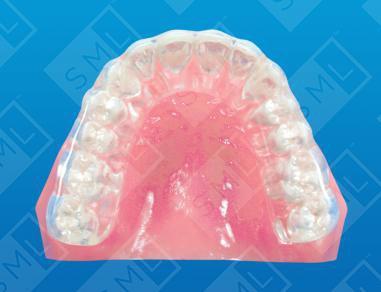 plays a key role at three procedural levels: screening, diagnosis, and treatment.
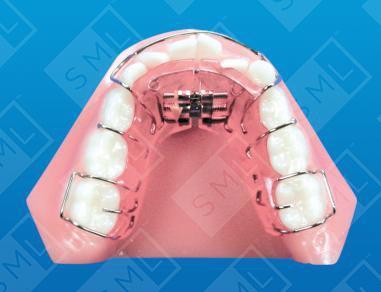 Guiding Parents and Children Through Mixed Dentition
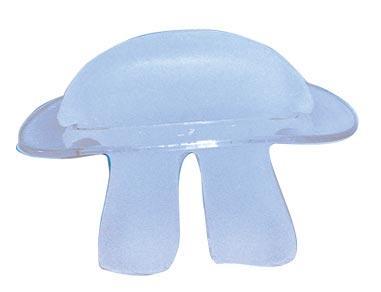 We are all nicer, happier people when we get a good night’s sleep. That can prove annoyingly difficult if your bed partner snores the night away in dream-filled bliss while you search for more cotton balls to stuff in your ears. You may be tempted to grab the nearest crowbar (like this woman), but please…restrain yourself.
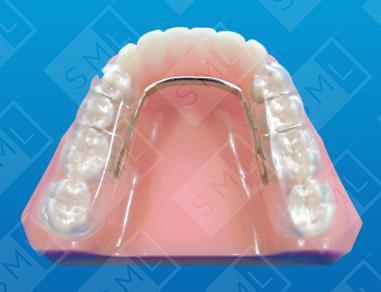 The MORA appliance (Mandibular Orthopedic Repositioning Appliance) was originally designed by Dr. Gelb to help patients suffering from TMJ. However, a study published in the Journal of Physical Therapy Science offers an intriguing alternate benefit.Made of clear acrylic bite pads and designed to cover the molars and bicuspids, The Mora repositions the lower jaw to achieve neuromuscular balance. In the aforementioned study, a team of researchers led by Sang-Yeol Lee tested ten male and ten female Korean adults by measuring their maximum isometric contraction in their upper limb and neck muscles -- with and without the MORA appliance. The researchers found…