



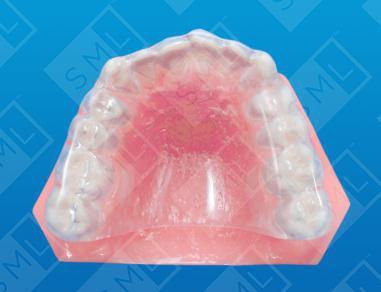
 Nocturnal teeth grinding is an extremely common habit. Many of those who gnash their teeth at night wake up with severe jaw pain, sore facial muscles -- even headaches and neck pain. However, not everyone who grinds is even aware of the problem. Not every grinder experiences pain as a result of this destructive habit, but ignoring nocturnal grinding -- or “bruxism” as it’s known in the medical community – is not the answer.
Long-term bruxism also wears down your teeth, destroying the protective enamel of your molars and even making your teeth more susceptible to cracking. It’s important to do something about the problem to protect the health and longevity of your teeth.
Speak to your dentist about…
 So show of hands...Who wants to send their 3 ½ - year old daughter to a hospital...to sleep in a strange bed with their head wrapped up like an Egyptian mummy and wired to a multitude of blinking sensors?
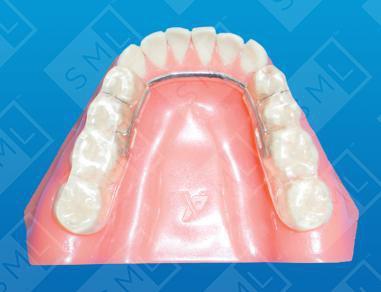 If you suffer from tooth pain, jaw pain, headaches, neck pain, or any combination thereof, there could be a number of things causing your trouble. For instance, if your teeth are misaligned, they could be putting pressure on your jaw bone and muscles, which could cause your headaches and neck pain.
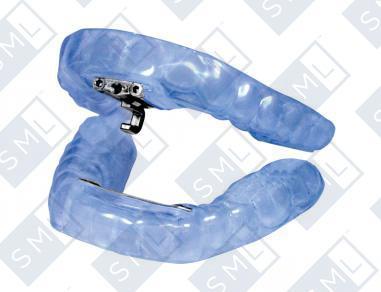 Can you imagine choking over 100 times a night while you sleep? If you have obstructive sleep apnea (OSA), this may actually be your reality! According to the American Academy of Sleep Medicine, up to 25 million adults in the United States suffer from OSA, and that number may actually be low, since many people don’t even know they have the condition.
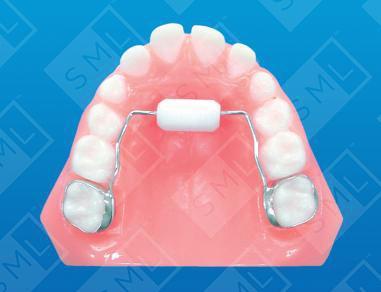 In a mouth with all teeth in their proper place, the front teeth should slightly overlap the bottom teeth when the jaw is closed. If you notice a big gap between your child’s front teeth and lower teeth, then your child likely has what is known as an “open bite tendency.”