Cart


Lab Processing Times

TAKING THE LEAD ON OSA: DETECTION AND TREATMENT

Snoring might just be the warning sign… 
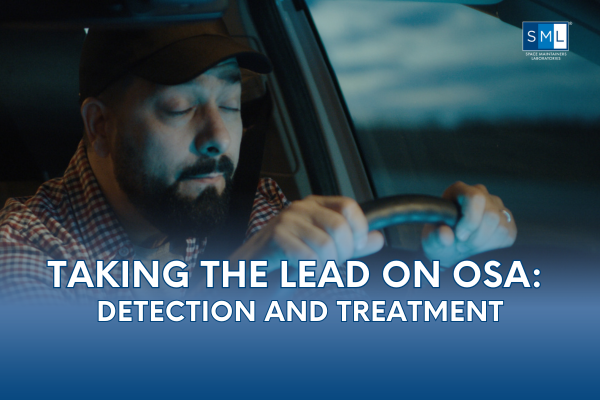
Many patients simply don’t realize that their snoring, morning headaches or persistent low energy level could be symptomatic of something far more serious -- like Obstructive Sleep Apnea (OSA).

Left untreated, OSA can trigger oxygen drops during sleep that contribute to:

• Daytime fatigue

• Decreased immunity

• Hypertension

• Increased risk for cardiac events and possible stroke

TREAT OSA WITHOUT DISRUPTING ALIGNER THERAPY: It’s As Easy As ASA 

The ASA (Aligner Sleep Appliance®) affords dental practitioners the         …

   Read More 

Better AirwayNew discoveries and diagnostic modalities in the treatment of Obstructive Sleep Apnea (OSA) are changing the way we all look at dentistry. You, the dentist, are in a unique position to help detect and stabilize the airway and successfully treat OSA via the use of oral appliances.

The good news? Non-invasive, affordable and easy to adjust, oral appliances are fast becoming the first line treatment of choice for patients who cannot tolerate CPAP… and for forward-thinking dentists who are looking to provide a more patient-compliant solution when it comes to airway therapy. 

OSA: The Big Picture

When soft tissues in the throat collapse during sleep, blocking the airway and causing breathing to repeatedly stop and…

   Read More 

As a dental practitioner, you’re aware of the clinical importance and critical health implications of maintaining an open airway for your patients. Snoring and Obstructive Sleep Apnea are serious business…and it’s your business to provide your patients with the promise of a safe, effective solution to blocked airway issues.

Person waking up and stretching in bedOral Appliances: The Clinical Advantage
Oral appliances are non-invasive, reversible, easy to wear and a are a significantly more comfortable alternative for those unable to tolerate the more traditional CPAP approach. The big plus oral appliances are customizable to fit each individual patient.

SML has an extensive lineup of oral appliances that will help you deliver on the promise of better breathing, better sleep, and a better life for your patients.

…

   Read More 

image

SML is committed to supporting clinicians with the most up-to-date, needs-responsive orthodontic and pediatric product selection available. Each product is carefully vetted for quality; fully compatible with our appliances; designed to deliver optimal clinical outcomes and enduring patient satisfaction.

AN IDEAL RESTORATIVE SOLUTION: ONE STEP MATRIX BANDS

Pediatric and Adult

• Simple, fast, animaged affordable

• Moldable material for precise contacts

• 15 sizes available (Pediatric & Adult)

• Starter Kit…

   Read More 

HERE’S THE MAYBE NOT-SO-NEWS…oral appliances are excellent, effective, patient-friendly alternatives to CPAP when it comes to treating mild to moderate Obstructive Sleep Apnea (OSA)  For those who struggle with CPAP compliance, it is perhaps the best alternative.

Custom devices reposition the jaw and tongue to keep the airway open, improving sleep, reducing daytime sleepiness, and elevating quality of life—often with higher adherence than CPAP and fewer side effects.

Source: American Dental Association (ada.org), Boston Medical Center (bmc.org), Wikipedia (en.wikipedia.org)

The best news? SML provides a comprehensive range of customizable oral appliances to help you deliver better outcomes for your patients. Explore the options at smlglobal.com

SOLUTIONS SPOTLIGHT:

…

   Read More 

As mentioned in my previous entry, we needed to get Grace’s tonsils and adenoids out before we could begin to develop her upper and lower arch.  But there was one other item on the to-do list that had be addressed even before we could proceed with the surgery.. Upon arrival in Pennsylvania, we requested an ENT referral from our pediatrician.  Four weeks later we were seen by an ENT at Children’s Hospital of Philadelphia.  Grace and I walked into the appointment and were asked all the usual questions by the nurse practitioner.  When asked why we were there I replied “To have Grace’s tonsils and adenoids removed” -- at which point we were (as one might expect) subjected to another round of questions regarding her history of sore throats, ear aches, etc.which she really didn’t suffer from at the time. When the ENT began to evaluate Grace, I presented records from Dr. Olmos in San Diego that indicated an airway deficiency.  The ENT politely glanced at the…

   Read More 

THE GATEWAY TO ORAL HEALTH: Brain Matters – Fighting the Scourge of Alzheimer’s Disease

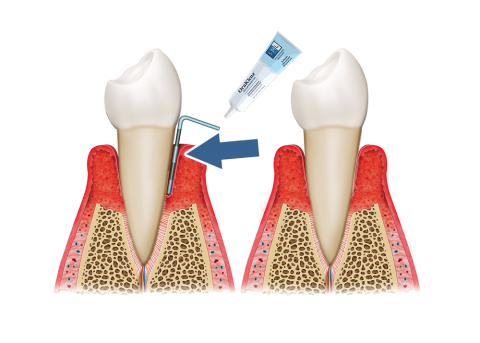
A connection between gum disease and Alzheimer’s Disease? Yes. Bacteria associated with AD (F. nucleatum – also linked to conditions ranging from colorectal cancer to premature delivery of babies.) -- have been isolated in the periodontal pockets and along the nerves extending from teeth to tissues in the brain. When these bacteria are introduced into brain cultures, an abnormal proliferation of immune (microglial) cells results. The over-abundance of immune cells triggers chronic inflammation which appears to be the key determinant in the pimagerogressive cognitive decline that occurs during Alzheimer’s disease
Translational research is currently being aimed at…

   Read More 

FINAL RETENTION SHOULDN’T BE FINAL AT ALL…Retention

Retention isn’t just the final step in orthodontic and dental therapy…it’s an absolutely critical phase that supports the body’s adaptation to tooth movement. It is, quite simply, an ongoing concern

Even the best designed retainer is compromised if the patient neglects oral hygiene or skips retainer use entirely. Poor hygiene not only increases the risk of relapse – especially when it comes to lower anterior crowding – but it can also contribute to more serious calamities like gingival inflammation or periodontal disease.

BOTTOM LINE:  Final retention must be tailored and carefully curated to meet the requirements -- both immediate and ongoing -- of both the clinical case and the patient’s habits.

…

   Read More 

TAILORED RETENTION…THE KEY TO LONG TERM ORTHODONTIC SUCCESS Tailored Retention

Retention isn’t not a one-size-fits-all proposition. To ensure long-term treatment stability, viability and patient satisfaction, retention, retention must be carefully strategized. Such strategies should consider factors such as the type of orthodontic treatment performed, duration of anticipated retention, periodontal health, patient hygiene capacity, and future restorative needs.

Customizing the approach ensures that the chosen appliance effectively balances function, efficacy and patient compliance -- minimizing the risk of relapse and safeguarding treatment results.

• CHOOSE A STRATEGY AND AN APPLIANCE TYPE THAT MATCHES YOUR TREATMENT GOALS

• KEEP…

   Read More 

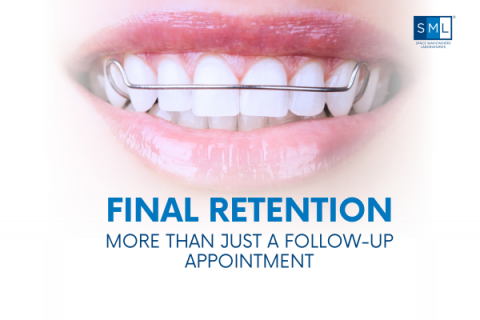
FINAL RETENTION: IT’S MORE THAN JUST A FOLLOW-UP APPOINTMENT Final Retension

Once orthodontic therapy is complete, the real work begins…the focus shifts to ensuring, safeguarding and optimizing the results. The retention phase allows soft tissue and bone to adapt to imposed treatment parameters and stabilize for the long-term.

For clinicians and dental technicians alike, designing and employing the right retainer is key. Precision matters.

AN EFFECTIVE RETAINER SHOULD:

• Secure teeth in their corrected positions

• Minimize relapse risk

• Allow natural function and adaptation

• Fit comfortably, operate discretely, maintain easily.

And designing an individualized patient retention protocol focuses on…

   Read More