


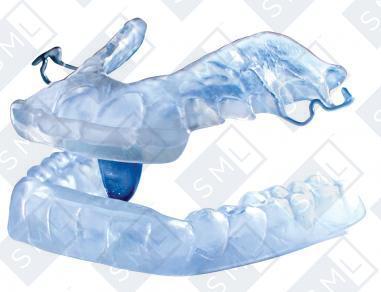
 If you are one of millions of Americans who suffer from sleep apnea, then treatment is crucial for your health. Without some kind of intervention, you could stop breathing hundreds of times a night, causing you to wake up exhausted in the morning.
The most common treatment for mild to severe sleep apnea is the use of a Continuous Positive Airflow Pressure (CPAP) machine, which provides slightly pressurized air through a mask that keeps the your airway open. Though CPAP is a very successful intervention, you may find the mask and its straps uncomfortable to wear. If you can’t find the right adjustment or have trouble falling asleep, you may want to try…

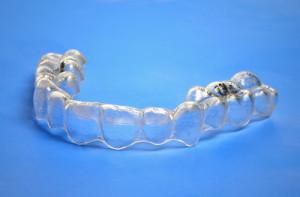 If you are an adult over the age of 30, then you’ll remember that when you were growing up, there were only two options if your teeth were crooked. Either your orthodontist strapped you into big, gawky metal braces or your teeth stayed crooked forever.
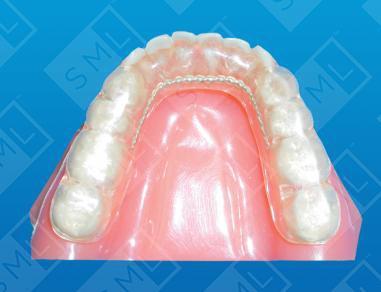 Understanding Temporomandibular Joint Pain
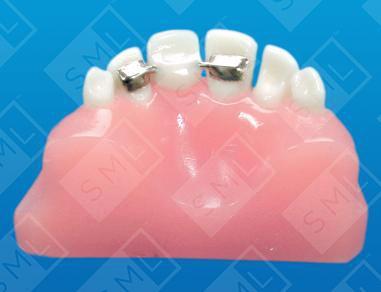 You may wonder what causes adults to require bridges or even full dentures. The truth is that many adults will eventually experience gum disease or tooth decay, resulting in the loss of teeth. Another less common reason? Trauma from a fall.
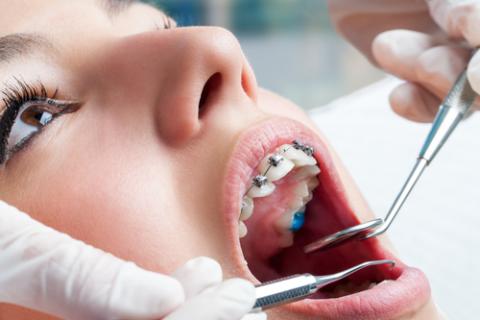 Have you ever wondered how your orthodontist is able to create special devices that fit your mouth comfortably and precisely? Have you imagined a little workshop behind a curtain in your orthodontist’s office where elves work to hammer out customized retainers, space maintainers, arch developers, and other types of devices?
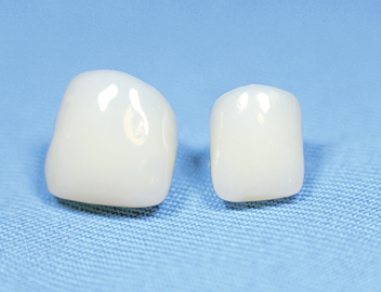 The need for crowns is a common occurrence, especially for middle-aged and older adults. Over time, your teeth will naturally begin to wear down, no matter how well you take care of them. They may also become cracked or decayed. All of these unpleasant tooth-maladies can be corrected with a well-placed white crown or crowns.
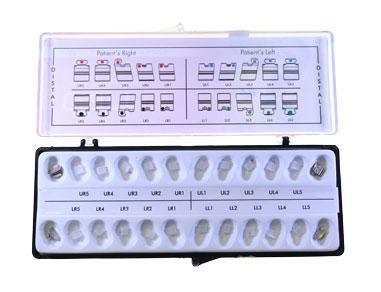 If you’ve always wanted a straighter, more beautiful smile, your orthodontist will give you several different options to make it happen. You can always go with the traditional metal braces (the most cost-effective option), but most adult patients prefer a more subtle look. That brings you to either ceramic brackets or Invisalign retainer trays.
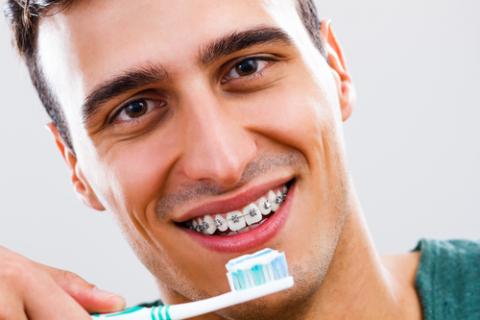 When your orthodontist first puts braces onto your teeth, he or she will give you a long lecture on how to take care of them. You may even get a small pamphlet to take home. The orthodontist will show you how to carefully brush your teeth and floss with the braces…and caution you against eating “hard” foods -- like popcorn, hard candy and even carrots!
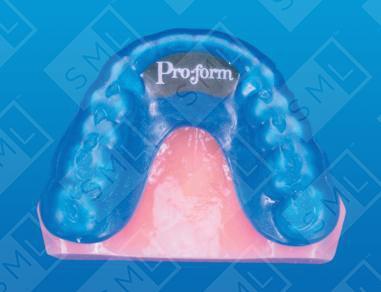 Are you ready for some football? Chances are, if you have children with football fever, you’re not. Worried about injuries or concussion? While you can’t always prevent the bumps and bruises that accompany a commitment to sport, there are ways to limit serious injury by purchasing high quality equipment for your child.