Cart


Lab Processing Times

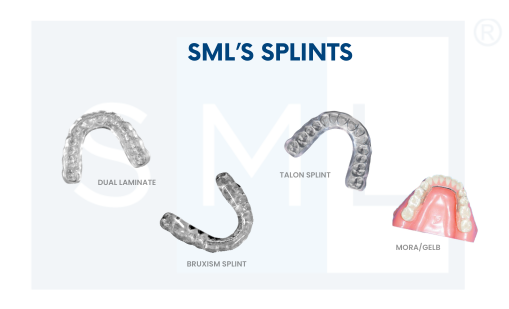
GAME CHANGER…BRUXISM MANAGEMENT AND THE DUAL LAMINATE SPLINT 
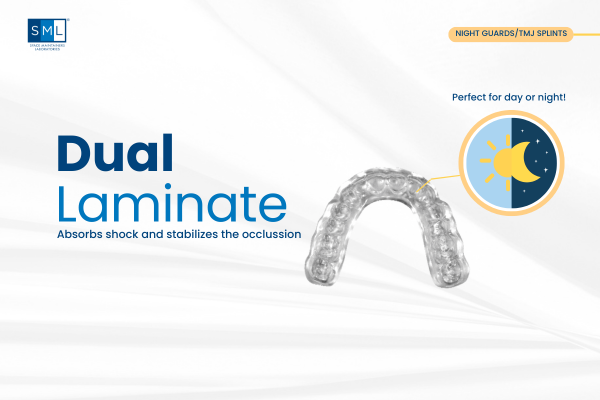
Bruxing is more than just grinding teeth…It’s a destructive force that can lead to painful fractures, damaging wear and serious TMJ dysfunction.

For patients with moderate-to-severe bruxism, dual laminate splints are truly a game changer, delivering the best balance between comfort and durability.

Why a Dual Laminate Splint?

• SHOCK ABSORPTION: Inner soft layer cushions heavy

  forces, reducing stress on TMJ and teeth.

• OCCLUSAL STABILIZATION: Outer hard layer maintains proper occlusion and prevents unwanted bite changes.

• DIAGNOSTIC EFFICACY: Design provides insight into wear patterns, and the extent and nature of parafunctional activity.…

   Read More 

OSA: DETECTION, DIRECTION AND STREAMLINING 

Let’s begin by getting right to the point…   OSA detection

SIGNS YOUR PATIENT MAY HAVE SLEEP APNEA (OSA)”

• Persistent jaw pain or TMJ issues

• Severe tooth wear or evidence of bruxism

• Scalloped tongue or enlarged tonsils

• Narrow arches or crowded teeth

• High palate or restricted airway space

The bottom line? You, the dentist, can and should often play a critical role in the early detection, airway stabilization and oral appliance therapy for OSA. And SML can help you streamline your cases and optimize your practice.

YOUR PARTNERS IN EXCELLENCE

Our SML Digital Portal (HIPAA-compliant and secure) makes it easy for…

   Read More 

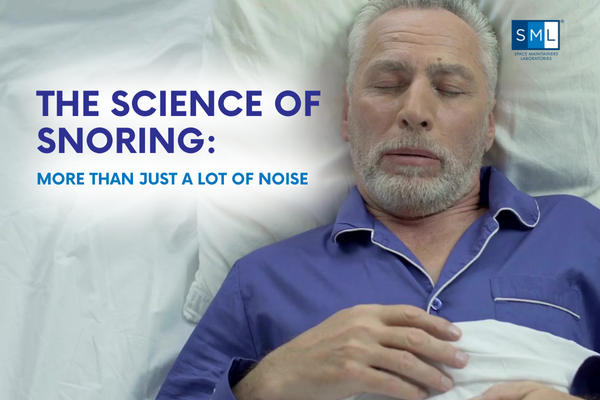
THE SCIENCE OF SNORING: MORE THAN JUST A LOT OF NOISE  The science of snoring and the solutions

If a patient snores are they really getting a good night’s sleep? As a dental practitioner or hygienist, you know the answer: Probably not. Snoring is likely a red flag for Obstructive Sleep Apnea (OSA). There may be other warning signs that the patient displays, which could help you determine if it could be an OSA problem. 

Dentists or hygienists often see the oral signs first:

• Tooth wear or grinding (bruxism)

• Scalloped tongue or high palate 

• Crowded teeth or narrow arches 

• Jaw pain or TMJ issues

These clues may point to a compromised airway…

   Read More 

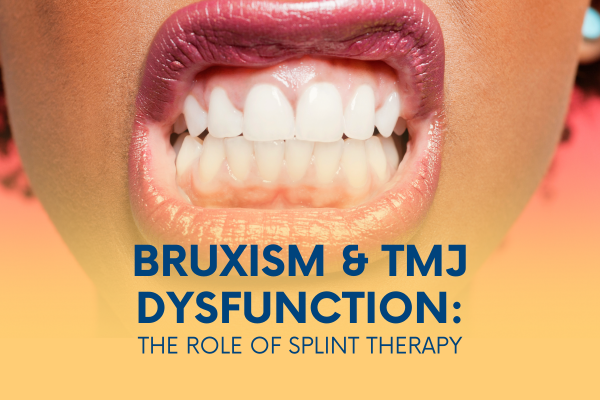
BRUXISM & TMJ DYSFUNCTION ON THE RISE...SPLINTS TO THE RESCUEBruxism

Recurrent jaw pain, neck pain or headache can signal the onset of serious bruxism and TMJ complications. Splint therapy just might be the best solution.Occlusal splints do more than prevent wear –they can be both protective and diagnostic, serving to absorb abnormal occlusal forces, reprogram, and manage TMJ issues while also helping to identify parafunctional…
   Read More 

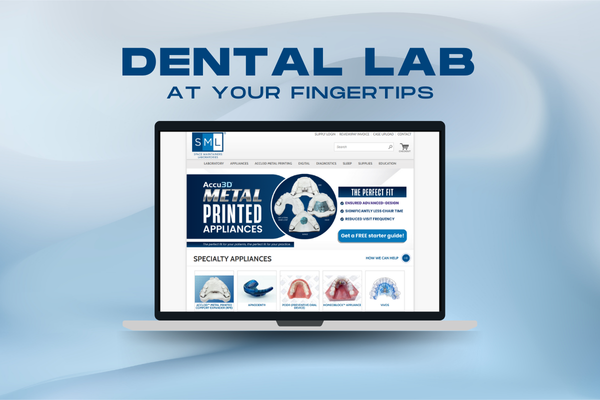
Enhancing Patient Care with Space Maintainers Labs' Digital Services

Digital dentistry is transforming how orthodontists and dentists deliver care—and Space Maintainers Laboratories is leading the way with advanced digital services designed to streamline case submissions, improve appliance accuracy, and boost patient satisfaction.

Through our digital platform, practitioners can upload digital impressions, access case tracking, and collaborate with our skilled lab technicians in real time. These tools eliminate delays, reduce errors, and ensure every dental appliance is made to precise specifications.

Digital service benefits include:

Faster turnaround with digital impressionsReal-time communication with our lab teamIncreased case…

   Read More 

ARCH DEVELOPMENT IS NOT A ONE-SIZE-FITS-ALL PROPOSITION…

Whether you’re treating crossbites in kids or aligning narrow adult arches, selecting just the right appliance can make all the difference between total success and “not-so.”

Removable or fixed? Lateral or AP? Relieving anterior crowding? Developing underdeveloped pre-maxillas?

Proper planning yields predictable results. And SML is proud to offer innovative solutions – today and every day – in support of the dental community.

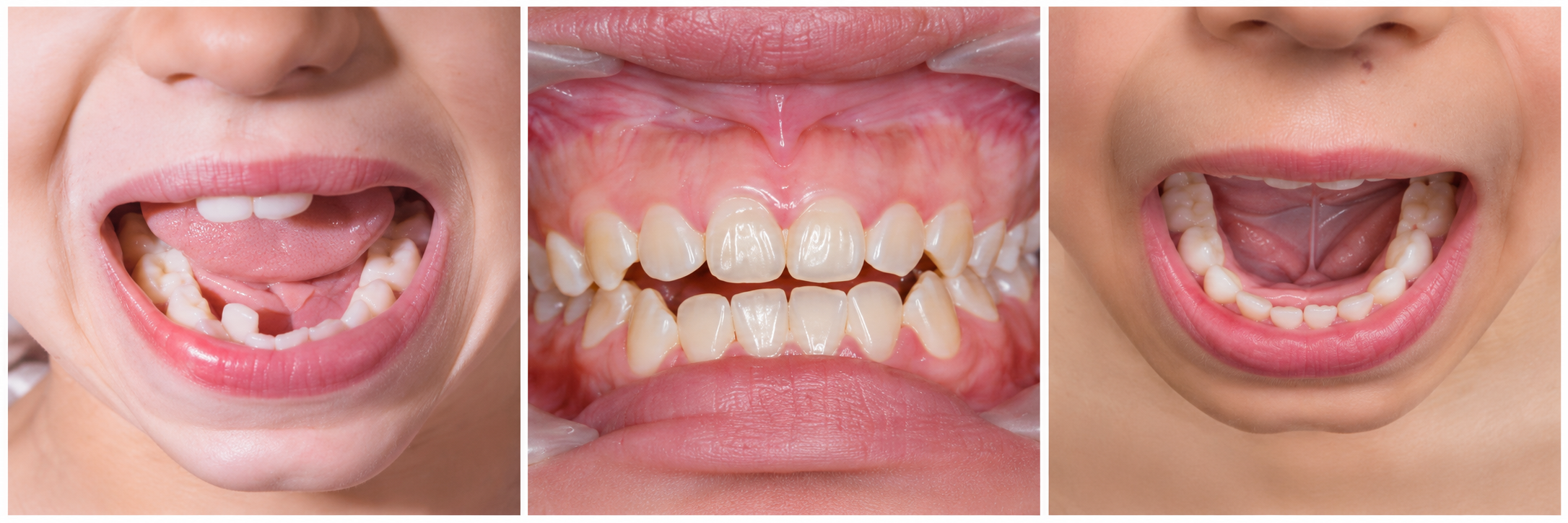
Three clinical views illustrating dental arch development

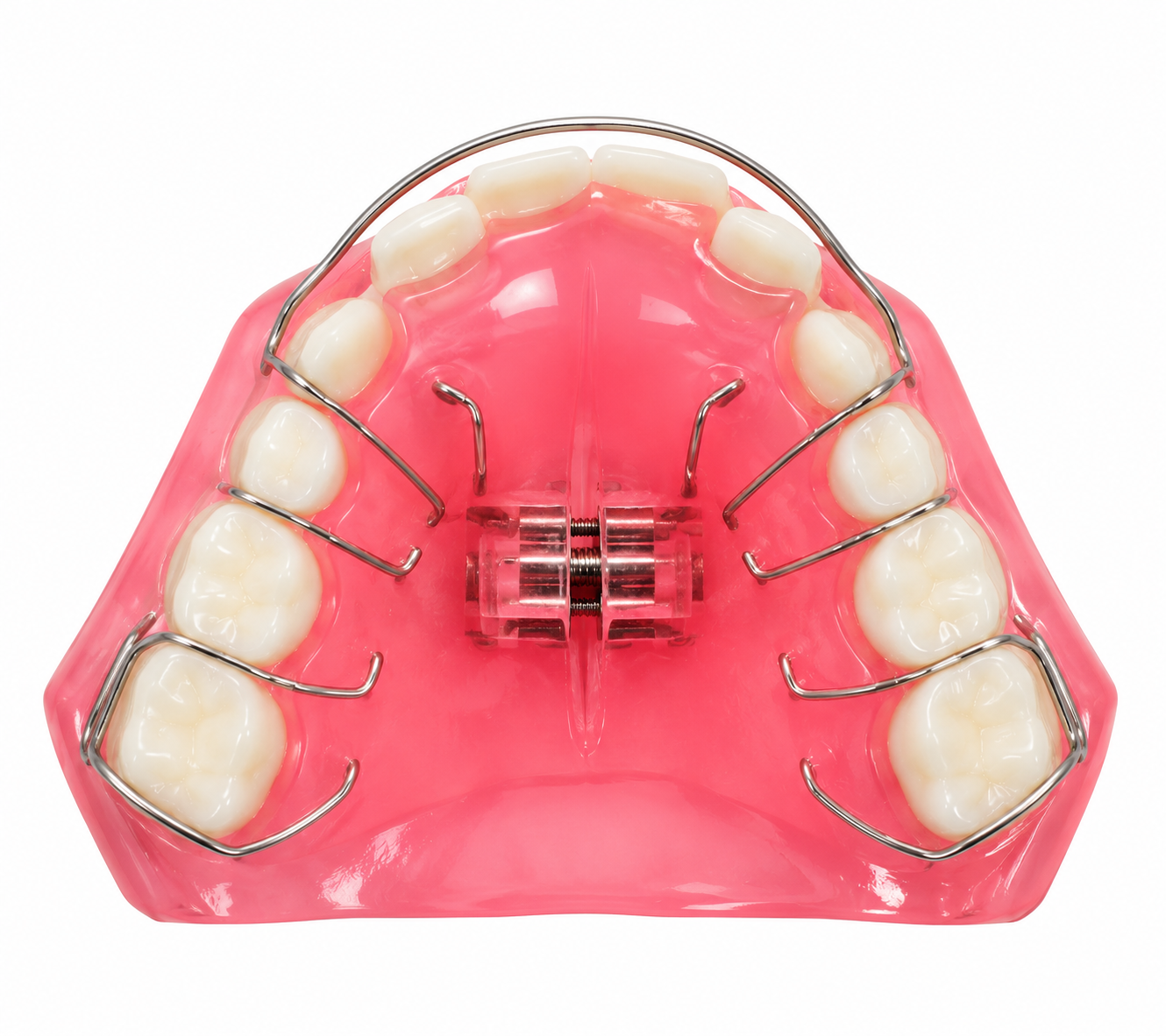
SPOTLIGHT: THE SCHWARZ APPLIANCESchwarz removable orthodontic expansion applianceTHE SCHWARZ APPLIANCE

A narrow maxilla is one…

   Read More 

The Orthodontic Patient: The Largest Untapped Population in Your Practice

If you read only one post in this series, make it this one — because there's a population sitting in orthodontic chairs across your referral area, at documented elevated risk, that essentially nobody is protecting.

Start with the numbers

Fixed appliance treatment is concentrated in adolescence, which is a period of high dental injury incidence from leisure and sporting activity. The appliance makes things worse in both directions: it compromises the fit of a mouthguard — both by its own presence and through the tooth movement treatment produces — and it increases the extent of damage after an orofacial injury, through bracket debonding, archwire…

   Read More 

The One Question You're Not Asking at Recall

There is a question that takes four seconds to ask, that almost no dental practice asks routinely, and that opens more legitimate treatment than any other four seconds in your hygiene appointment.

"Do you play any sports?"  

That's it. That's the question.

Here's why it matters more than it sounds like it should.

Traumatic dental injury has been described as the fifth most prevalent disease condition worldwide, and as being actively neglected by public health organizations. More than one billion living people have sustained a traumatic dental injury. Among twelve-year-olds, the prevalence is 18.1 percent.

Read that last number again with your…

   Read More 

What You Can Say About Concussions — and What Will Get You in Trouble

If you learned about mouthguards from continuing education delivered before roughly 2019, some of what you learned is out of date — and at least one thing you may still be telling parents is a regulatory liability.

Here's the good news before the caution: the newer literature gives you a better story than the old one did. You no longer have to defend a speculative biomechanical mechanism. You can point to actual human populations. 

Start with what is settled

Mouthguards reduce dental and orofacial injuries. That evidence is strong.

Non-users carry 2.33 times the risk of orofacial injury compared with users (95% CI 1.59–3.44), across twelve cohort…

   Read More