

Cart


Blog
Image
BlogBanner_02_0.jpeg

Blog

AIRWAY HEALTH: Screening Under the New Airway ImperativeBlog Series

TO RECAP FROM THE LAST POST, incorporating the New Airway Imperative into your practice plan begins with asking the question: “Am I providing my patients – ALL my patients – with the best opportunity for continued and optimum airway health.”

Once educated in the essentials of sleep and airway, the actual patient process involves the assessment and incorporation of the following into your standard operational practices:

1) Screening 

2) Making the Diagnosis 

3) Discussion of Treatment Options and Team Coordination

4) Completing a Thorough Exam

…


The AIRWAY IMPERATIVE: Screening your Patients, Part 2Blog Series

WeightA physical screening exam shouldn’t take more than five minutes and begins the moment your patient walks in the door from the waiting room towards the operatory. Here are a few key factors to look for:What do you observe as they are walking in? For example, is their head tilted back with their mouth open? This posture is often observed in someone who cannot nasal breathe.

…

The AIRWAY IMPERATIVE: Screening Your Patients, Part 3

Blog Series

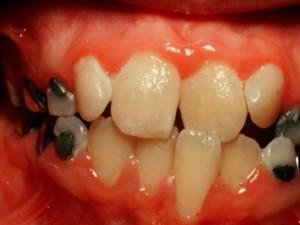
bad teethNow, as part of the Physical Screening Process, let’s have them open wide!
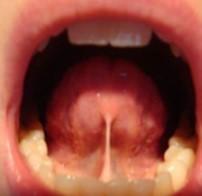
Are their oral tissues inflamed? Do they have bad breath? High incidence of caries? All may indicate mouth breathing and an obstructed airway.

bad mouthDoes the patient have an underdeveloped…
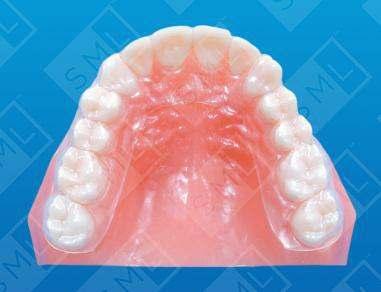
InvsAre Your Patients Complaining of Bad Breath? Check Their Retainer
In our specialized report, HALITOSIS: Being Part of the Cure, we explained to dentists that an estimated 25 million Americans suffer from chronic halitosis. In a majority of cases, the cause is intra-oral, which means that you can be an agent of change for a patient who may feel extremely embarrassed or self-conscious about this condition.

In our report, we discuss the many different types of intra-oral causes of halitosis. By far, the most common cause is improper oral hygiene. Patients simply aren’t brushing and flossing properly or enough.  Often, a patient who has trouble regularly brushing and flossing their teeth also doesn’t take care to properly clean their retainer. If a retainer…

imageWhy You Should Promote Yourself As a Dental Specialist

For the majority of us, going to the dentist means enduring some scraping, deep cleaning, flossing, and the occasional X-ray. Once in a while, we might have a cavity filled or a crown placed. Most of the general public doesn’t realize that dentists can do so much more!

Many might never think to ask their dentist for help with TMJ or jaw pain, sleep apnea, or their child’s thumb-sucking habit. The truth is, dentists can help in all of these situations by fitting the patient with specialized appliances. Dentists can also use appliances to maintain space between teeth, close space, or correct tooth movement.

Dentists don’t just clean teeth. Every dentist is a specialist. Make sure your patients know that…