 Chronic bruxism may lead to sensitive, decayed, fractured, loose or missing teeth. Grinding or clenching breaks down enamel and can eventually wear teeth down. The absence of enamel makes it easier for bacteria to penetrate the softer part of teeth and produce cavities. As long as bruxism continues, the situation worsens.
Successful management of bruxism depends firstly upon determining whether or not it is caused by a sleep disorder. If this is the case, treat the sleep problem first. Once it has been confirmed that there is no sleep dysfunction, the focus should be on minimizing the abrasion of tooth surfaces by the wearing of a dental splint on the individual’s upper or lower teeth. When you consider the need tor interceptive care — not just for children, but adults as well — the message is clear:
 The essence of Splint Therapy (and this discussion) is that potentially EVERYBODY NEEDS IT.
SPLINT THERAPY and the TALON® SPLINT
Splint therapy is often the means of treatment which, initiated early, can provide your patients with the best long term care, save them money…and make you some, as well. The dentist plays a key role at three procedural levels: screening, diagnosis, and treatment.






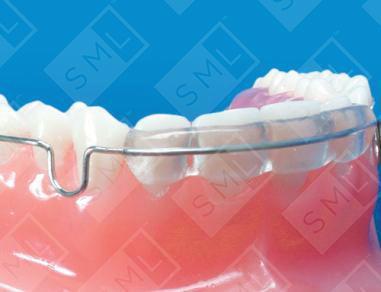 Arch wires are a critical tool for orthodontists. The type of wire you choose for your patient can directly determine how quickly your intervention progresses -- as well as the quality of the ultimate outcome.
 As a dentist, you are well versed in the art of asking your patients how often they brush and floss. You’re also probably pretty good at making small talk to get through longer appointments and procedures.
 To start off 2015, the American Dental Association’s Health Policy Institute (HPI) released an analysis that showed dental care use by adults has not improved even with the enactment of the Affordable Care Act.

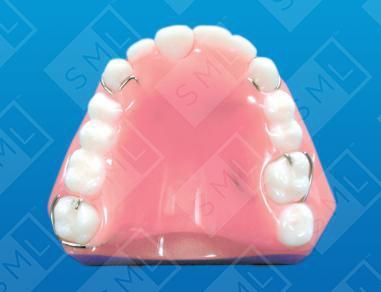
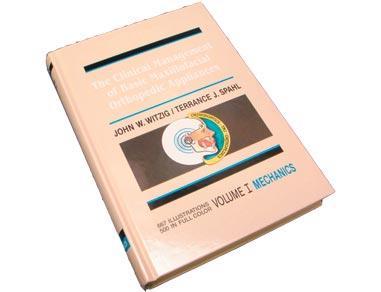 SML Global promotes education about the use of dental appliances. This is volume one of a two volume learning process.
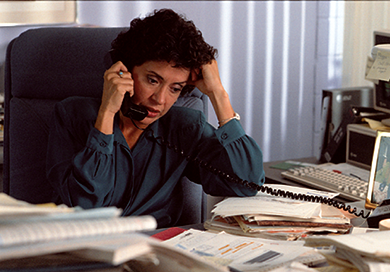 If you think back, you may be able to remember what it felt like to wake up after a long night of deep, uninterrupted sleep. You felt refreshed, invigorated, and motivated. Your mind was clear and sharp, and you could easily navigate all the different twists and turns your job threw at you.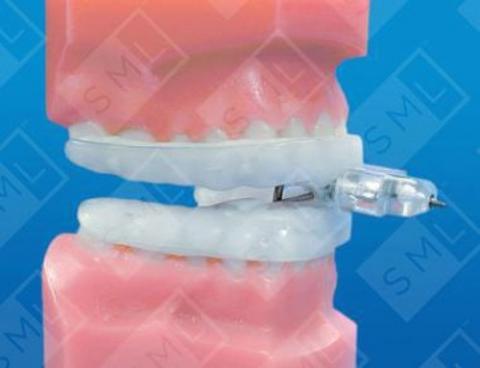
 Your child’s braces are finally coming off! Excitement is high…until the orthodontist explains that your child will still have to wear some form of final retention device to maintain the tooth straightening that has been accomplished. As soon as those braces come off, teeth can begin a slow migration back to their old positions. A final retainer helps keep the teeth in place so they stay in their new positions.