
Cart


Blog
Image
BlogBanner_02_0.jpeg

Blog

FINAL RETENTION: IT’S MORE THAN JUST A FOLLOW-UP APPOINTMENT Final Retension
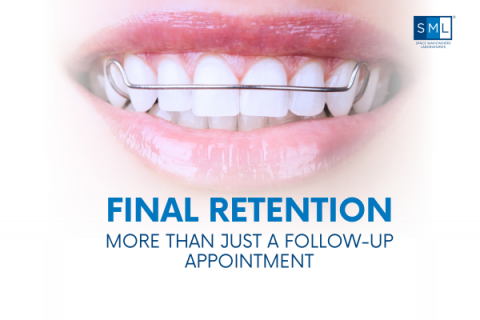
Once orthodontic therapy is complete, the real work begins…the focus shifts to ensuring, safeguarding and optimizing the results. The retention phase allows soft tissue and bone to adapt to imposed treatment parameters and stabilize for the long-term.

For clinicians and dental technicians alike, designing and employing the right retainer is key. Precision matters.

AN EFFECTIVE RETAINER SHOULD:

• Secure teeth in their corrected positions

• Minimize relapse risk

• Allow natural function and adaptation

• Fit comfortably, operate discretely, maintain easily.

And designing an individualized patient retention protocol focuses on…
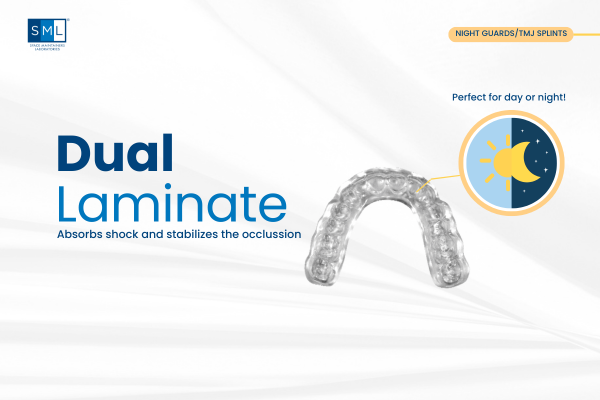
GAME CHANGER…BRUXISM MANAGEMENT AND THE DUAL LAMINATE SPLINT 

Bruxing is more than just grinding teeth…It’s a destructive force that can lead to painful fractures, damaging wear and serious TMJ dysfunction.

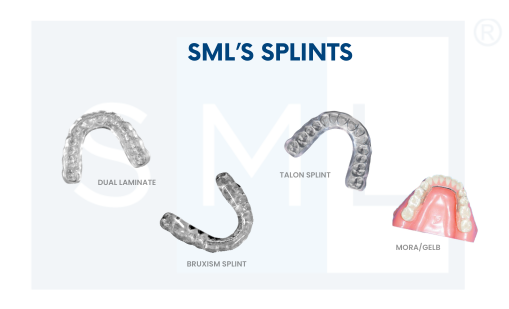
For patients with moderate-to-severe bruxism, dual laminate splints are truly a game changer, delivering the best balance between comfort and durability.

Why a Dual Laminate Splint?

• SHOCK ABSORPTION: Inner soft layer cushions heavy

  forces, reducing stress on TMJ and teeth.

• OCCLUSAL STABILIZATION: Outer hard layer maintains proper occlusion and prevents unwanted bite changes.

• DIAGNOSTIC EFFICACY: Design provides insight into wear patterns, and the extent and nature of parafunctional activity.…

OSA: DETECTION, DIRECTION AND STREAMLINING 

Let’s begin by getting right to the point…   OSA detection

SIGNS YOUR PATIENT MAY HAVE SLEEP APNEA (OSA)”

• Persistent jaw pain or TMJ issues

• Severe tooth wear or evidence of bruxism

• Scalloped tongue or enlarged tonsils

• Narrow arches or crowded teeth

• High palate or restricted airway space

The bottom line? You, the dentist, can and should often play a critical role in the early detection, airway stabilization and oral appliance therapy for OSA. And SML can help you streamline your cases and optimize your practice.

YOUR PARTNERS IN EXCELLENCE

Our SML Digital Portal (HIPAA-compliant and secure) makes it easy for…

THE SCIENCE OF SNORING: MORE THAN JUST A LOT OF NOISE  The science of snoring and the solutions

If a patient snores are they really getting a good night’s sleep? As a dental practitioner or hygienist, you know the answer: Probably not. Snoring is likely a red flag for Obstructive Sleep Apnea (OSA). There may be other warning signs that the patient displays, which could help you determine if it could be an OSA problem. 

Dentists or hygienists often see the oral signs first:

• Tooth wear or grinding (bruxism)

• Scalloped tongue or high palate 

• Crowded teeth or narrow arches 

• Jaw pain or TMJ issues

These clues may point to a compromised airway…

BRUXISM & TMJ DYSFUNCTION ON THE RISE...SPLINTS TO THE RESCUEBruxism

Recurrent jaw pain, neck pain or headache can signal the onset of serious bruxism and TMJ complications. Splint therapy just might be the best solution.Occlusal splints do more than prevent wear –they can be both protective and diagnostic, serving to absorb abnormal occlusal forces, reprogram, and manage TMJ issues while also helping to identify parafunctional…