




Whether you are treating a bruxism problem or a joint dysfunction, splint therapy is almost always your first line of defense. Why? Because splint therapy is generally reversible, non-invasive and exceedingly effective at reducing symptoms.
There are several varieties of splints. Each appliance is designed to address and eliminate a specific causative factor. To select the right splint, you must first accurately identify the factor. Therefore, the importance of a thorough history, exam and diagnosis cannot be overemphasized in the interest of arriving at a sound diagnosis.
Breakdown in the system may occur at the level of the teeth in the form of wear; at…

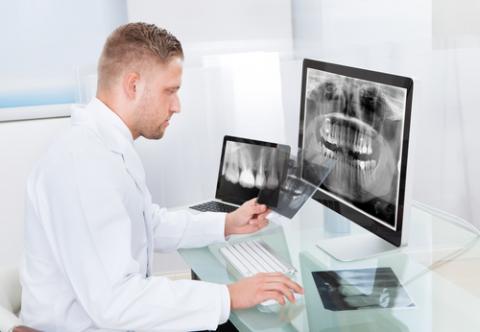 No dentist can possibly master every diagnosis, especially when patients present with such a varied litany of symptoms. Sometimes patients don’t know how to describe their symptoms effectively, or complain about symptoms that are related to two (or more) distinct issues.
 Splints are generally classified according to their intended function. The two most common types of splints are the disengaging occlusal correcting splints and the mandibular or anterior repositioning splints.