



The following is a series of blogs to explain the situation of pediatic airways disorders and my Daughter Grace's journey through the process of diagnosis and treatment.
GRACE’S JOURNEY: THE WAY TO AN OPEN AIRWAY, PART II
GRACE’S JOURNEY: THE WAY TO AN OPEN AIRWAY, PART I
TONSILS AND ADENOIDS REDUX: SAVING GRACE
AIRWAY AND ENVIRONMENT: GRACE’S BATTLE TO BREATHE
SNORING AND SLEEP APNEA: OBSERVATIONS, OVERLOOKS AND MY GIRL GRACE
PEDIATRIC AIRWAY DISORDERS: SNORE WARS
SLEEP, HEALTH AND PEDIATRIC AIRWAY DISORDERS: MY EYES ON GRACE
THIS IS THE FACE OF A PEDIATRIC AIRWAY PROBLEM
GRACE’S JOURNEY: THE SEARCH FOR “AIRWAY FIRST”
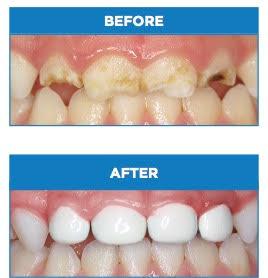 Try thinking about dentures without visualizing an elderly person putting in their teeth in the morning or taking them out and dropping them into a glass of water at night. Go ahead.
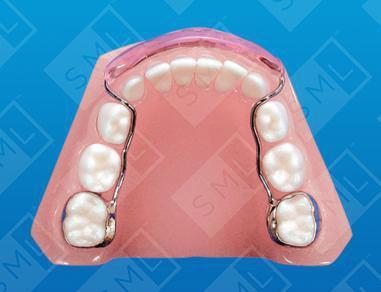
 At the risk of overdoing it in the “glib” department, “Shift Happens”. As discussed in our last series, “Grace’s Airway Adventures,” the human mouth was originally designed to comfortably house all 32 teeth. For a number of reasons, over the years we have lost that spacing – evolved (or devolved) to a point where we require various forms of assistance to achieve that genetic potential.
 Excepting most notable Pizza and Ice Cream, there are pros and cons connected with most life choices. Agreeing that final retention is indefinite, you have to decide what is going to work best for you and your patient. To begin, we have classified retention appliances into three categories: Fixed, Removable and Active Retention.