


How to Run a Team Scanning Day
The intraoral scanner changed what's possible here. Twenty athletes and a box of alginate was a nightmare. Twenty athletes and a scanner is an afternoon.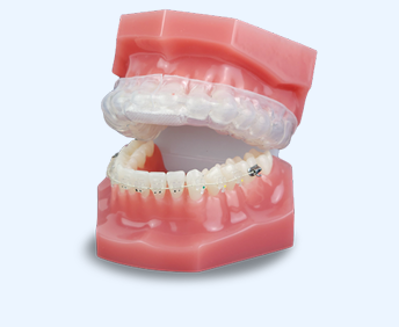
Here's how to actually do it.
Before you go
Pick the right team first. Your best first target isn't the biggest program in town — it's the one where you already have a relationship. A parent in your practice who coaches. A patient who's an athletic director. Start where you have a door.
Get the coach, not the parents. One conversation with a coach or club director reaches every family at once. Parents individually are thirty conversations; the coach is one.
Decide your fee posture in advance. Team pricing, a package rate, or at-cost as a community investment — all defensible. Decide deliberately, communicate it clearly, and don't improvise on site.
Send consent and health history forms ahead. You need medical history, allergy information, and parental consent for minors before anyone sits down. Chasing paperwork in a gymnasium is how a two-hour event becomes four.
Confirm what you need per athlete: full maxillary arch to the distal of the first molars, buccal and labial vestibule well above the mucogingival junction, complete palate, opposing arch, and a bite registration. The palate and the vestibule are where team-day scans get rushed and go wrong.
On site
Bring two people minimum. One scanning, one managing flow, forms, and name-labeling. A third helps.
Label everything at the moment of capture. The single most common team-day failure is a beautiful set of scans nobody can match to a name. Build the naming convention before you arrive.
Screen while you scan. You'll see untreated caries, gingivitis, unerupted third molars, and significant overjet in that gymnasium. Note it. This is where the clinical value of the day lives — you're seeing a population that hasn't been examined in a while, and some of these kids don't have a dental home at all.
Don't try to diagnose definitively in a gym. Note findings and send every athlete home with a written recommendation to be seen. Honestly, it's appropriate, and it converts far better than a hard pitch.
Take the construction bite seriously even at volume. It's the step most likely to get skipped under time pressure and the one that most affects the finished appliance.
Afterward
Deliver in the office, not at the field. Delivery is a clinical appointment: check extension, retention, and occlusal contact in the registered position. For orthodontic patients, watch them insert and remove it themselves — twice — before they leave.
That delivery appointment is also your first real opportunity to convert an athlete into a patient of record, and to have the conversation about the caries you saw in the gym.
Follow up with the coach. Numbers scanned, numbers delivered, findings worth knowing about at a program level. Coaches talk to other coaches.
Put your name in the guards. An appliance with the athlete's name in it gets worn. A case with your practice name on it gets seen — in every locker room, on every bench, all season.
The compounding effect
One team scanning day generates guards, comprehensive exams, restorative treatment, orthodontic referrals, third molar evaluations, new patients of record, and a relationship with a program that renews every year with a new roster.
Then the trainer from the school across town calls, because the first coach mentioned you.
That's the whole model. It starts with a scanner, an afternoon, and one question you should already be asking at every recall.
Do you play any sports?
References
Avgerinos S, et al. Dent Traumatol. 2025;41(3):246–251. doi:10.1111/edt.13019
American Academy of Pediatric Dentistry. Policy on prevention of sports-related orofacial injuries. The Reference Manual of Pediatric Dentistry. Chicago: AAPD; 2024:124–129.